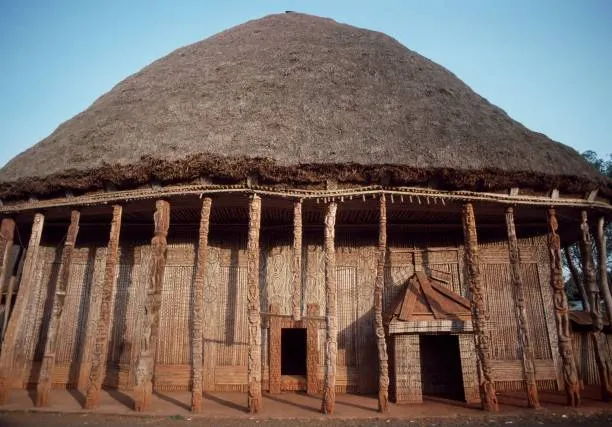
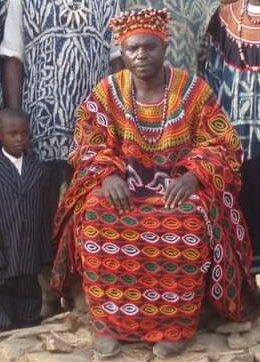
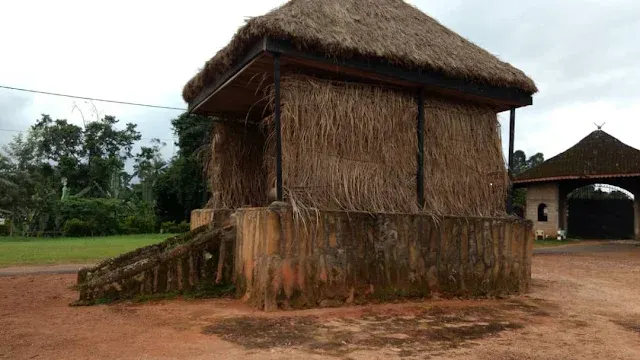
The Mbu Development and Cultural Association (MBUDCA) is the umbrella body that unites sons and daughters of Mbu both at home and in the diaspora. It exists to protect the cultural heritage, promote development, preserve the history, and showcase the unique identity of the Mbu Clan, one of the oldest Widikum family groups in the Northwest Region of Cameroon. Situated on the historic Santa Plateau, Mbu is home to a vibrant culture, a rich royal lineage, and a geography tied deeply to Central African prehistory.
- MBUDCA
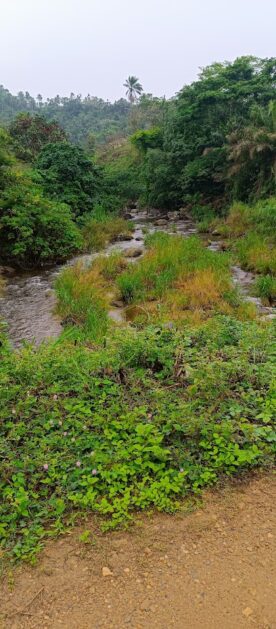
📍 GEOGRAPHY & LOCATION OF MBU
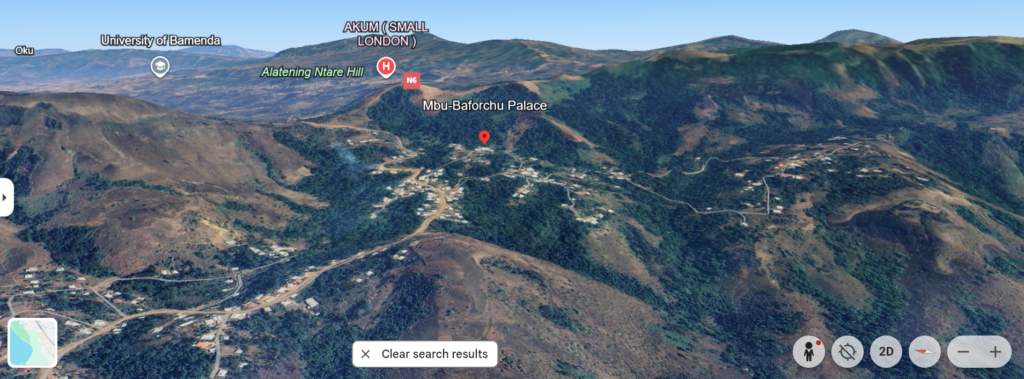
The Mbu homeland today spans approximately 249 km², including lands granted under the 1954 Westmacot Commission and the 1977 Presidential Decree that expanded traditional boundaries.
Mbu is located at
Latitude: 5.51° N
Longitude: 10.04° E
Approximately 20 km from Bamenda, the regional capital of Mezam Division
The Mbu people, traditionally known as Ertsam-Ermeumbo, trace their origins to ancient Widikum migrations from Tadkon. Oral history recounts long periods of movement through Mamfe, Widikum, Mankon, Bafut, Bamboutos, and Nkwen before finally settling on the Santa Plateau. The clan has existed for centuries and played a foundational role in shaping the population and cultural identity of Santa Subdivision.
Archaeological discoveries in nearby Shum Laka, one of the most important Stone Age sites in Central Africa, confirm that the wider Grassfields region—including the Santa Plateau—has been continuously occupied for over 30,000 years, strengthening the cultural and ancestral significance of Mbu’s location.